4 tips to avoid tick bites, plus when to see a doctor for Lyme disease
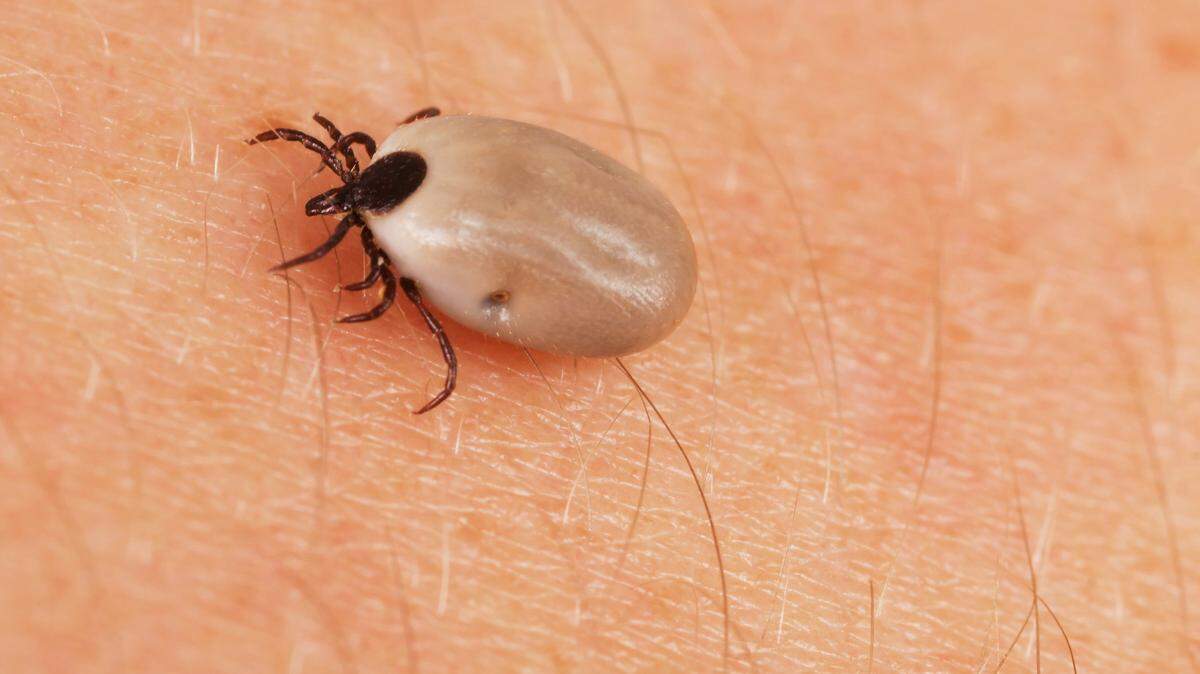
This summer, while spending time outside exploring local parks, lakes and beaches, more Ohioans are coming back home and finding tick bites.
The Ohio Department of Health said these small tick bites can lead to something bigger: Lyme disease.
What are the most common symptoms of Lyme disease to keep an eye out for this summer?
What is Lyme disease?
Lyme disease is a bacteria that’s transmitted from a bite from a deer tick a.k.a. a blacklegged tick.
Each year, more Ohioans have contracted the disease from the increasing population of ticks in the state.
Since 2010, doctors have been treating more Ohioans than ever before for Lyme disease.
In 2012, ODH saw 67 cases of Lyme disease, which increased in 2015 to 154 confirmed cases in Ohio among 45 different counties.
In 2021, 590 patients were treated for Lyme disease in Ohio in 60 different counties.
Look out for these small black bugs that can look “engorged” with blood if they’ve been feeding long enough.
The Zoonotic Disease Program studied cases and found that men are more at risk for Lyme disease than women, but all ages are susceptible.
How to avoid tick bites
Anyone who spends time outside, especially in wooded, brushy parks or reserves will want to keep these tips in mind to avoid tick bites.
However, according to ODH, it doesn’t always take a hike in the woods to encounter a tick.
Experts recommend bringing out the bug repellent to keep ticks away and spraying it on clothes.
According to Hilary Young, a writer for Right At Home, ticks spend the summer days in shady, humid spots, so when planning a picnic or day on the beach, pack an umbrella.
That way, you can create your own shade rather than find shady spots where the insects are camped out already.
Stay in the middle of walking trails to avoid picking one up on your pant leg or shoe.
Sometimes, you can’t avoid encountering ticks, especially near waterways, brushy paths and even in your backyard.
The CDC recommends keeping up with the landscaping like mowing the lawn and clearing leaf piles to avoid ticks.
What to do if you get bit?
.jpg "download (2).jpg")
When you come back inside, it’s important to be vigilant about scanning your body for ticks.
Experts recommend showering as soon as possible and remembering to check on yourself and kids for ticks, too.
Check the back of your head, around your waist and behind your knees.
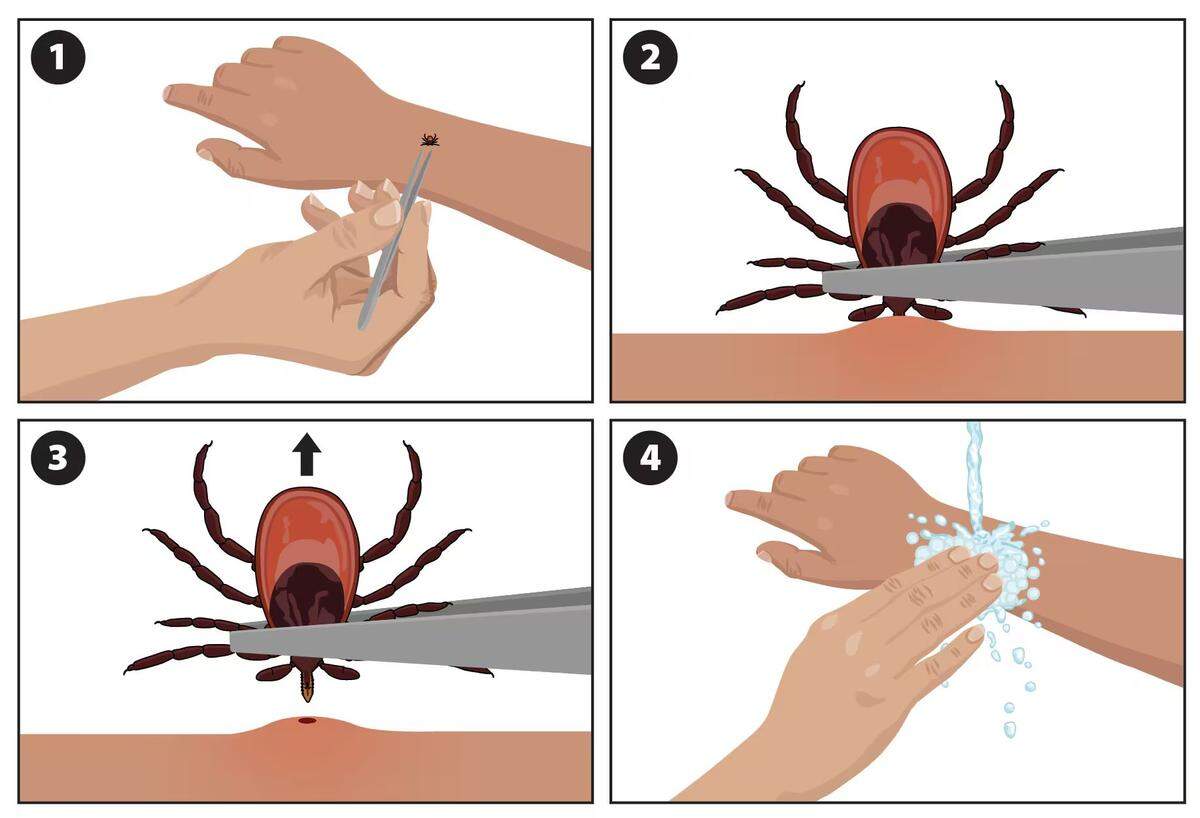
If you get bit, follow the Centers for Disease Control and Prevention’s guide on safely removing a tick.
Once the tick is removed, wash your hands and keep an eye out for any symptoms of tick-related illness.
Pets and ticks
Like people, pets are susceptible to tick bites and can bring them inside the house without knowing. If you find a tick on your pet, remove it right away.
.jpg "download (3).jpg")
The CDC says while pet owners can’t contract Lyme disease from dogs or cats, pets can bring ticks inside that can jump on other family members.
Experts say to check your dog’s feet, ears, neck and legs for ticks frequently and use specific repellents known as acaricides on your pet to kill ticks.
Talk to your veterinarian about the vaccine for Lyme disease that’s available for dogs.
The signs of Lyme disease might not appear for 7-21 days after a tick bite for pets.
When should you go to a doctor to get checked for Lyme disease?
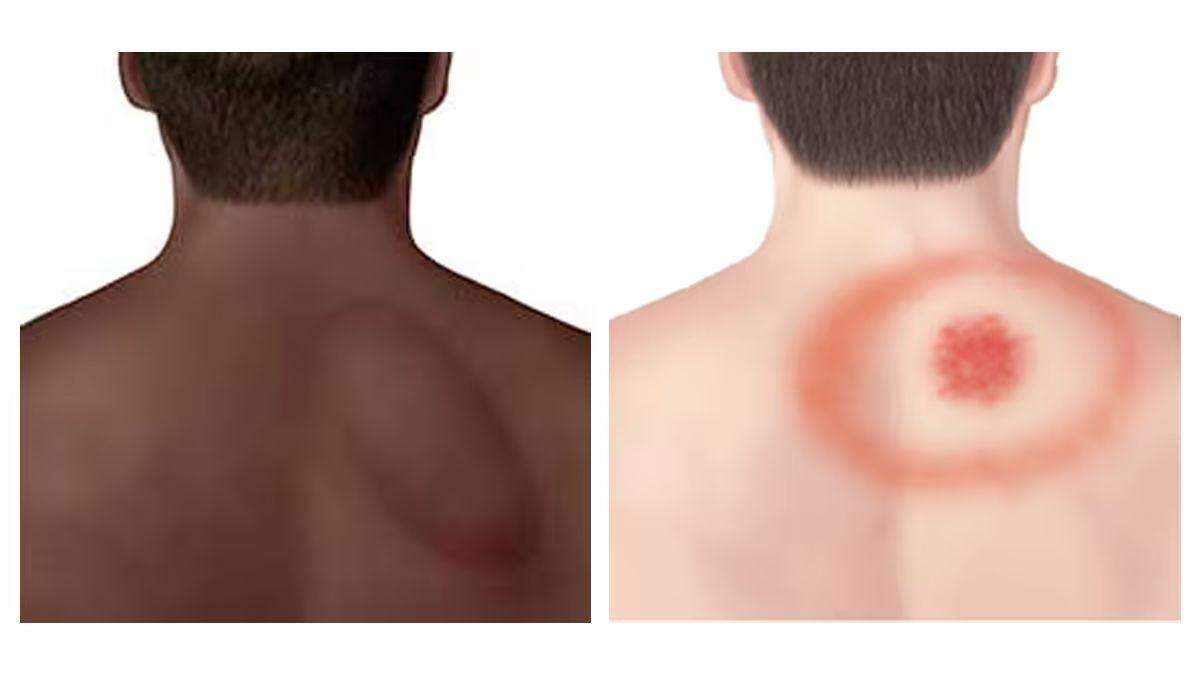
ODH says some of the common symptoms of tick-related illnesses are:
- Fever
- Rash
- Aches and pains
See a healthcare provider for blood tests if you start seeing these symptoms after getting bit by a tick.
Support our journalists with a tax-deductible donation
Sign up for our Mahoning Matters newsletter